
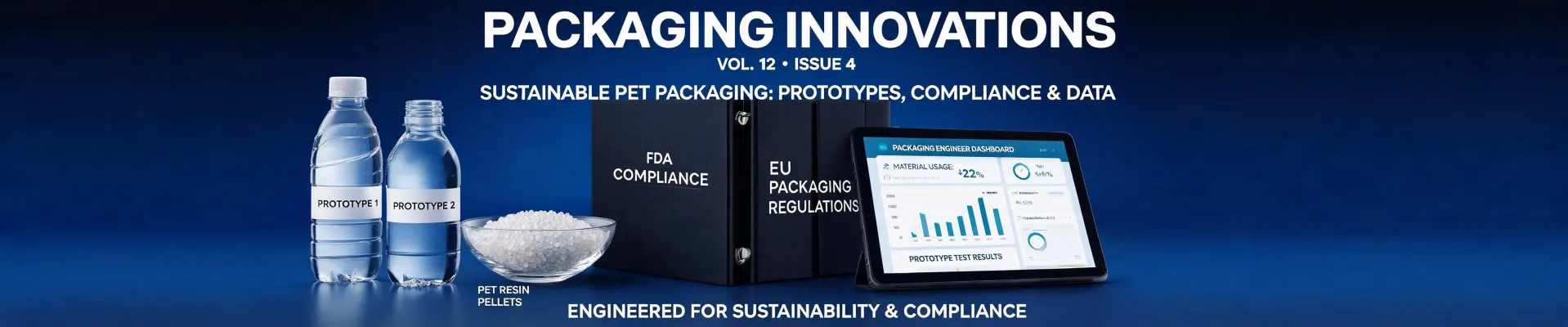
If you have ever bought the wrong plastic because the first quote was lower, you know the real cost is not the resin. It is the line stoppage, the rejected shipment, and the compliance question that arrives on a Friday afternoon. I have worked in packaging procurement and production troubleshooting for years, and I have handled more rush requests than I can count. This FAQ is the one I wish someone had handed me before I ordered rigid plastic containers, asked for RoHS REACH declarations, and had to explain the difference between PET and polypropylene to a client at 5 p.m. on a deadline day.
What packaging buyers usually ask
- What does Amcor make?
- What is the Amcor Rigid Plastics Fairfield plant?
- Is PET the same as plastic, and why do people search for Lynx PET?
- Which is better, polypropylene or plastic?
- What is Amcor RoHS REACH declaration packaging?
- Do plastic tags change recyclability?
What is Amcor?
Amcor is a global packaging manufacturer. It supplies flexible films, rigid plastic containers, closures, preforms, and related packaging systems for food, beverage, pharmaceutical, personal care, home care, and industrial customers. When a brand owner asks about Amcor, they usually want either a custom container or a reliable supply of an existing one. Amcor is not the cheapest spot-buy vendor for a one-off order. The value is scale, quality systems, and documentation. In packaging, documentation is not a tiny thing. One missing declaration can hold a shipment at customs for days.
What is the Amcor Rigid Plastics Fairfield plant?
The location often called Amcor Rigid Plastics Fairfield is a production site in the rigid plastics network. I do not have a public line card for that plant, and Amcor does not publish every job running in Fairfield. What matters from a buyer's perspective is that a plant like Fairfield has molding, inspection, packing, and shipping capabilities. Depending on the product, it may run stretch blow molding for PET or injection molding for PP closures and containers. The site name matters because compliance and shipping documents should match the actual source plant. If you see a certificate with a different location than your purchase order, ask why.
What is PET plastic?
PET stands for polyethylene terephthalate. It is a plastic with resin recycling code #1. It is clear, tough, shatter-resistant, and has decent gas barrier properties, which is why it dominates water and soda bottles. It is not biodegradable in the way cardboard is. It needs recycling or reclamation to be useful after its first life.
Why do people search for Lynx PET?
Lynx PET is not a standard packaging category. Lynx is an animal and also a personal care brand in some countries, while PET is a polymer. If you were looking for a pet lynx, this article is not helpful. If you were searching for a plastic type, PET is the material used in many beverage and household bottles. It has nothing to do with the animal. As a packaging professional, I have learned that keyword searches are messy. The plastic material is simply PET, not pet plastic and not lynx plastic.
Which is better, polypropylene or plastic?
This question is incomplete, because polypropylene is a plastic. Polypropylene, also called PP, is one specific plastic. The more useful comparison is polypropylene vs PET. The answer depends on the product, filling temperature, chemical compatibility, clarity, and recycling stream.
PET is the better choice when
- Clarity is important. PET looks closer to glass than PP does.
- You need a good barrier against oxygen or carbon dioxide, especially for carbonated drinks or oxygen-sensitive products.
- The product is filled cold or at room temperature.
Polypropylene is the better choice when
- You need hot-fill resistance above about 80-90 C.
- You need a living hinge in a cap or closure.
- Weight is a concern. PP is less dense than PET, so a PP container can weigh less.
That is still not a full answer. I have seen a PP jar fail a stress-crack test because the colorant masterbatch was not compatible. I have seen a PET bottle fail a drop test because the preform was too cold. The resin family is only the starting point. If a supplier tells you polypropylene or plastic as if they are two separate options, ask them to clarify which specific polymers they are comparing.
What about plastic tags?
Plastic tag means different things in different supply chains. It can be a hang tag on a garment, a label on a bottle, or an identification tag on a pallet. For product packaging, the tag is a component of the finished pack. If you choose a plastic tag for a PET bottle, the best compatibility is a material that can be removed or sorted with the PET stream. If you choose a tag made from a different polymer and it cannot be separated, it can contaminate recycling.
For a standalone plastic tag, the PET vs PP choice works in a similar way. PET tags are stiffer and clearer. PP tags are tougher and more resistant to flexing. But if the tag is part of recyclable packaging, the recyclability issue should drive the decision, not just the physical feel.
This is also where marketing claims get risky. Per the FTC Green Guides, an unqualified recyclable claim needs substantiation. If a plastic tag or label makes a PET bottle unrecyclable in practice, calling the bottle recyclable without a clear qualifier can create a regulatory problem. Ask the label supplier for compatibility data before assuming a tag is harmless.
What does Amcor RoHS REACH declaration packaging actually mean?
RoHS and REACH are different systems. The RoHS Directive (2011/65/EU) restricts certain hazardous substances in electrical and electronic equipment. REACH Regulation (EC) 1907/2006 regulates chemicals, including substances of very high concern. Packaging itself is not normally a RoHS product, but packaging is part of the final delivered product in many industries. The phrase Amcor RoHS REACH declaration packaging describes the compliance documents that confirm which restricted substances were assessed for a package or component.
For packaging sold in the EU, the more direct legal limit is the Packaging and Packaging Waste Directive 94/62/EC. It sets a maximum concentration of 100 parts per million for the sum of lead, cadmium, mercury, and hexavalent chromium in packaging. That limit is separate from RoHS. A supplier statement that simply says it complies with RoHS may not mention this, and that can be a problem.
What should be in a RoHS REACH declaration from a packaging supplier?
- A specific product identifier, not a blanket product family name.
- The materials included, such as resin, coating, ink, label, tag, closure, or adhesive.
- The restricted substance limits or the relevant SVHC list threshold being addressed.
- A date, version, and signature, plus the plant location issuing the declaration.
If a declaration says it covers all Amcor packaging forever, that is too broad. A material formulation can change. A declaration should be tied to the product and time period. In March 2024 I saw an import shipment stopped because someone accepted a general declaration that did not cover a newer lid colorant. The delay was three weeks, and the customer paid four times the original freight cost to recover. That is why I read the version date before I read the compliance conclusion.
This was accurate as of early 2025. EU chemical rules, national packaging laws, and available recycling infrastructure change. If you are making a sourcing decision from this article, treat it as a starting point, not as legal advice.
The best part of my job is not the emergency fix. It is when the right specification, current declaration, and a realistic material comparison prevent the emergency from happening. That is what I hope this FAQ gives you before your next deadline.